
With alcohol abuse, you experience negative consequences from drinking, but aren’t physically dependent. Alcoholism (or AUD) means you’ve developed a chemical dependence that makes it much harder to stop. Understanding the key differences between alcohol abuse and alcoholism is crucial for getting the right help. If you think your own or https://restaurant-indien.be/2021/09/02/how-to-flush-alcohol-out-of-your-system-before/ someone else’s drinking habits have become problematic, don’t wait for alcohol to take over your life. Addressing alcohol abuse and alcoholism requires a multifaceted approach that includes a range of treatment options tailored to individual needs. The National Institute on Alcohol Abuse and Alcoholism (NIAAA) outlines several evidence-based treatments, including behavioral therapies, medications, and support groups.
Kratom vs. 7-Hydroxymitragynine (7-OH): Key Differences and Risks
Understanding these distinctions is essential for recognizing the signs of each condition and seeking appropriate help. Alcohol abuse, also referred to as alcohol misuse, involves drinking in a way that leads to negative consequences but doesn’t necessarily indicate physical dependence. People who abuse alcohol may drink excessively or in risky situations but still maintain some control over their drinking habits.
Prolonged and excessive alcohol consumption can lead to changes in the brain and body, resulting in the development of tolerance and withdrawal symptoms. When individuals with alcoholism stop drinking, they may experience a range of withdrawal symptoms, such as tremors, anxiety, nausea, sweating, and even seizures or hallucinations in severe cases. Educating oneself and promoting awareness about the risks and consequences of alcohol abuse and alcoholism are essential components of prevention and early intervention 7. By understanding the potential dangers of excessive drinking and the signs of alcohol abuse, individuals can make informed decisions about their alcohol consumption and seek help when needed.

Remember, reaching out for help is a sign of strength and a crucial step towards overcoming alcohol-related issues. Whether it’s through treatment programs, support groups, or professional guidance, there are numerous resources available to support individuals on their path to recovery. Treatment for alcohol abuse and alcoholism requires a comprehensive approach that addresses the physical, emotional, and psychological aspects of addiction. Professional assistance is often necessary to navigate the complexities of alcohol-related issues and achieve long-term recovery. On the other hand, alcoholism, also known as Alcohol Use Disorder (AUD), is a more severe condition.
Alcoholism
Alcohol dependence may not be indicated by occasional binge drinking but the practice can produce serious negative outcomes such as alcohol poisoning and accidents, together with long-term health problems. Whether you are struggling with addiction, mental health or both, our expert team is here to guide you every step of the way. Don’t wait— reach out today to take the first step toward taking control of your life. Someone who abuses alcohol might still have some ability to limit their intake or alcoholism treatment abstain for periods of time.
Alcohol Recovery Steps: A Proven Approach to Overcoming Addiction
Any information found on RehabCenter.net should never be used to diagnose a disease or health problem, and in no way replaces or substitutes professional care. In the case of a suspected health problem, please contact your healthcare provider. Discover how Medicare supports inpatient rehab, covering up to 90 days based on medical needs, progress, and post-rehab care options to ensure recovery success. Typically lasting 2-4 weeks, it supports recovery through personalized, structured care.
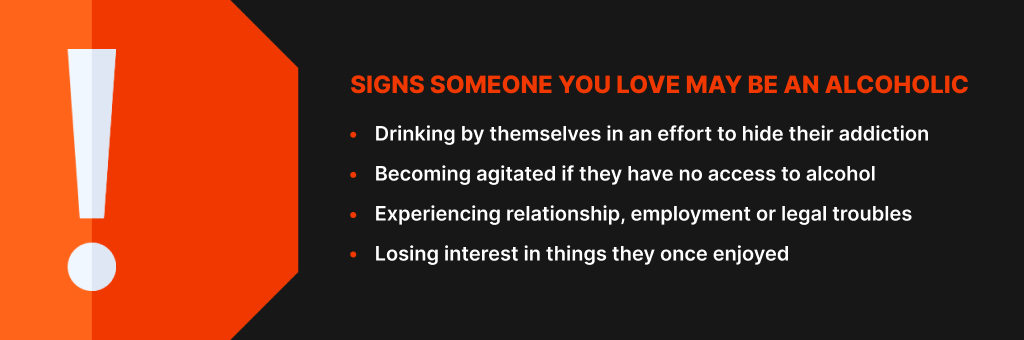
Symptoms of Alcoholism (Alcohol Use Disorder)

These symptoms make it challenging to quit without help, as the body and mind have adapted to functioning with alcohol, making medical support often essential for safe recovery. These negative consequences and impairments can have a significant impact on an individual’s overall well-being and quality of life. It’s important to seek help and support if you or someone you know is experiencing these signs and symptoms of alcohol abuse. Alcoholism, however, is defined by the presence of both psychological and physical dependence.
Kratom Withdrawal Symptoms, Addiction, and Treatment
- Our board-certified addiction specialists evaluate every center using 5 clinical criteria most sites ignore.
- According to a study published in the journal Preventing Chronic Disease, 90% of people who abuse alcohol are not alcohol dependent.
- For more insights on the risks of alcohol abuse, visit National Institute on Alcohol Abuse and Alcoholism (NIAAA).
- It’s like having an itch that you can’t help but scratch, even when you know it’s harmful.
Delirium tremens is a symptom of severe alcohol withdrawal that can be potentially fatal. Contact emergency services immediately if you experience symptoms such as fever, involuntary muscle contractions, seizures, delusions, hallucinations, or rapid mood swings as you withdraw from alcohol. Those with mild to moderate symptoms may receive treatment in an outpatient setting. You should ask a loved one to stay with you during this process, and you may need to visit a clinician for daily monitoring.
Coverage often includes detox, inpatient and outpatient rehab, therapy, and medication-assisted treatment. The extent of coverage depends on the specific insurance plan, with factors like provider networks, deductibles, and co-pays affecting costs. It’s best to contact the insurance provider directly what is the difference between alcohol abuse and alcoholism to understand the specific services covered for alcohol addiction treatment.
Crack Addiction Recovery: Effective Strategies for Overcoming Dependence
In contrast, those with alcohol addiction often find it nearly impossible to stop once they start, regardless of their intentions. It’s a domino effect that can topple carefully constructed lives, leaving chaos in its wake. Picture a tightrope walker, precariously balanced between casual drinking and a more serious problem. That’s essentially what alcohol abuse looks like – a pattern of drinking that doesn’t quite meet the criteria for addiction but still causes significant harm. It was written based on peer-reviewed medical research, reviewed by medical and/or clinical experts, and provides objective information on the disease and treatment of addiction (substance use disorders). Inpatient rehab offers 24/7 care, structured therapy, and a supportive environment, helping individuals build resilience and strategies for lasting recovery and wellness.
- Alcohol abuse involves drinking in ways that may harm oneself or others but does not necessarily include physical or psychological dependence.
- Recent policy shifts aim to increase treatment flexibility and integration, addressing the holistic needs of individuals with alcohol abuse issues.
- Alcoholism, medically known as alcohol use disorder (AUD), occurs when a person has formed a mental reliance on (addiction to) and/or a chemical dependency on alcohol.
- It’s important to understand the progression from alcohol abuse to alcoholism and the factors that contribute to this transition.
Additionally, habitual binge drinking increases the likelihood of developing alcohol dependence, potentially escalating to full-blown alcoholism. Chronic alcoholism, however, significantly heightens the risk of severe health problems beyond those seen with episodic binge drinking. Individuals suffering from alcoholism are at a higher risk of developing liver cirrhosis, pancreatitis, heart disease, and mental health issues such as depression and anxiety. Both conditions can lead to an increased risk of co-occurring mental health disorders, necessitating treatment that addresses both substance use and mental health simultaneously. Research suggests that between 50% and 60% of the risk for AUD is genetic, with environmental factors also playing a significant role. The interaction between a person’s genetic makeup, environmental stressors, and drinking history can influence their vulnerability to AUD.
 No products in the cart.