
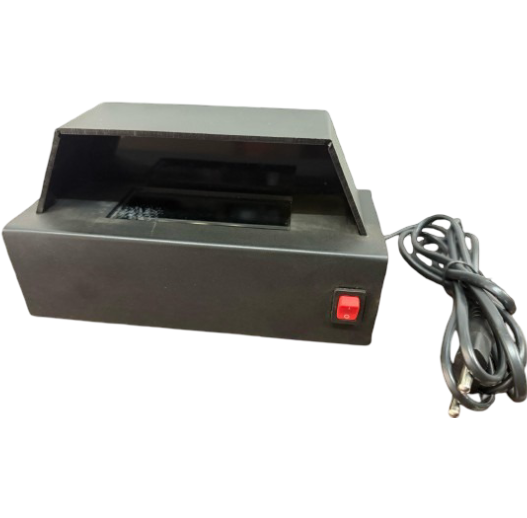
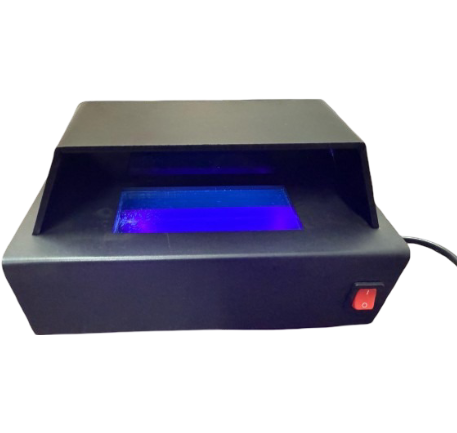
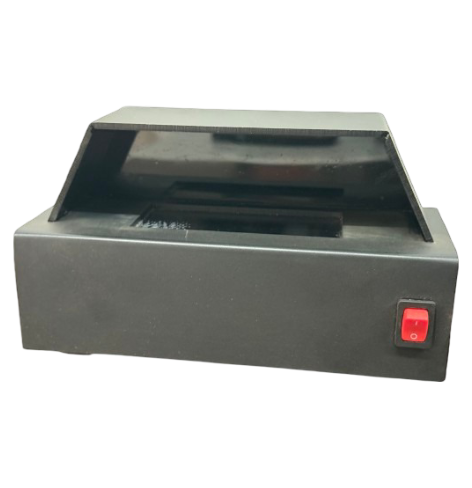
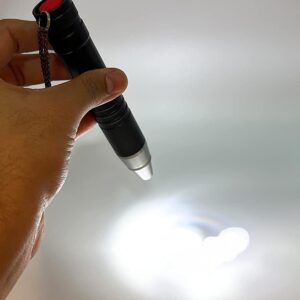
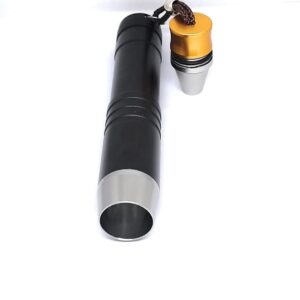
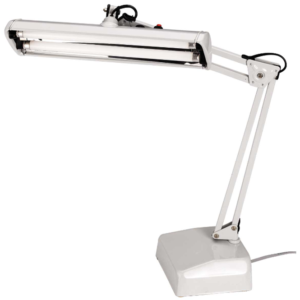
A standard UV light box typically consists of a viewing chamber equipped with UV lamps, a reflective interior, and a safety cover to protect the user from exposure to harmful UV radiation. The specific unit shown appears to be a desktop model designed for examining objects within the enclosed space to observe their reaction to UV light.
In gemology, a UV light box is instrumental for:
- Identification and Authentication: Different gemstones exhibit unique fluorescence characteristics under UV light, helping to distinguish between natural stones, synthetic counterparts, and imitations.
- Treatment Detection: Some treatments, such as fracture filling or dyeing, can be identified by the way the treated gemstone fluoresces compared to an untreated one.
- Inclusion Observation: Certain internal inclusions within gemstones may become visible or show distinct fluorescence under UV light, providing additional clues for identification and assessment.
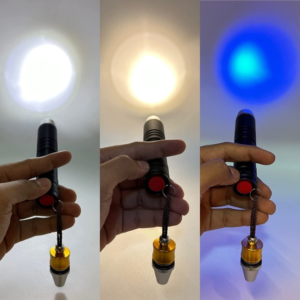
The UV light box often utilizes both longwave (LW) UV (315-400 nm) and shortwave (SW) UV (200-280 nm) light sources, as gemstones can react differently to these varying wavelengths. It’s crucial to use protective eyewear and observe proper safety precautions when working with UV light, especially with SWUV light which can be harmful to the eyes.





 No products in the cart.
Reviews
There are no reviews yet.