
When the body can no longer excrete alcohol effectively, all vital functions slow dramatically. The individual will slip into a critically unresponsive state—a coma. At this stage, alcoholism treatment with a BAC of 0.35% to 0.45%, immediate emergency medical attention is absolutely vital.
Which Drug Class Has the Highest Potential for Abuse?
- Marijuana intoxication, on the other hand, is characterized by a different set of effects.
- You can’t really predict how long you’ll stay drunk, and try as you might to stop being drunk faster, there’s nothing you can do to lower your BAC once you’ve started drinking.
- It also activates the brain’s reward center, releasing dopamine, which contributes to feelings of pleasure and reinforces drinking behavior.
During this stage, individuals may experience a heightened sense of happiness, reduced anxiety, and increased sociability. Conversation may flow more easily, inhibitions may further decrease, and individuals may feel a sense of confidence and well-being. As the alcohol continues to be metabolized by the body, feelings of relaxation and euphoria may intensify. This is due to the alcohol affecting certain neurotransmitters, such as gamma-aminobutyric acid (GABA), which has a calming effect on the brain. Ever noticed how after a drink or two, you become the life of the party, cracking jokes, and chatting up everyone, even that cute barista who makes you tongue-tied? It boosts levels of dopamine, the feel-good chemical that gives you that warm, fuzzy feeling that “all is well” in the world no matter what’s actually going on around you.
General Health
The more common effects happen in the brain as alcohol impacts the way we think and behave. When the body is unable to excrete alcohol, all functions will slow. At this point, with a BAC of 0.35% to 0.45%, it is vital that you receive medical attention or else you will die. The language we use to describe alcohol use is very positive as well. When we talk about other drugs, we say people are getting a fix, getting high, or using. Drinking regularly overtime can lead to developing a tolerance to alcohol.
- Some genes make us more sensitive to alcohol, while other variants may make us less vulnerable to its effects.
- If you want to avoid drunk driving, wait until your BAC is close to zero before driving.
- It implies a state of being completely soaked or saturated with alcohol.
- Tolerance to alcohol refers to the body’s ability to handle higher levels of alcohol without experiencing the same level of impairment.
The Multifaceted Nature of Alcohol-Induced Drunkenness
For outpatient treatment to be effective, the person needs to have a stable home situation that is supportive of recovery. Law enforcement authorities in Canada take drug-impaired driving seriously and have put measures in place to enforce the laws. The use of SFST tests and DRE evaluations has been in practice since 2008 to detect drug-impaired driving. Additionally, the approval of oral fluid drug screeners as an additional tool assists law enforcement in detecting the presence of drugs. The FHE Health team is committed to providing accurate information that adheres to the highest standards of writing.

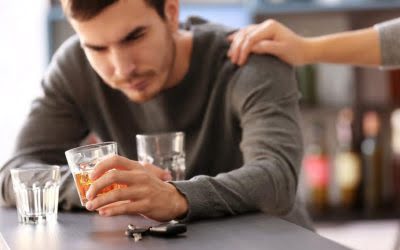
Recognizing these patterns is a crucial part of mindful drinking and making conscious choices about how you want to feel and act. This emotional short-sightedness means you might misinterpret a situation or overreact based on limited information. For example, you might perceive a neutral comment as an insult because you’re only focusing on a single word instead of the overall context and tone. This is why conversations that happen while drinking can so easily lead to misunderstandings and conflict—you’re operating with an emotionally compromised lens. Think of your brain as a bustling city with a complex communication network.
- If they show signs of alcohol poisoning, seek medical help immediately.
- It’s important to understand how alcohol affects you personally and to recognize when you’ve had enough.
- Our online program offers medication for alcohol cravings, coaching, virtual support groups, and handy digital tools—all from an app on your smartphone.
- Alcohol abuse plays a major role in the perpetration of intimate partner violence.
- Despite how many people drink, very few know the specifics of what happens to the brain while drunk.
It’s common to reach for a drink after a long day, hoping to take the edge off or numb difficult emotions. That initial sip might bring a temporary sense of relief, but this feeling is often short-lived. Alcohol is a depressant, meaning it slows down your central nervous system. While it can feel like it’s calming you down, it often ends up amplifying the very feelings you’re trying to escape, making anxiety or sadness feel much more intense.
When someone is drunk, they may experience a range of effects, including impaired judgment, reduced coordination, slurred speech, and altered perception of time and space. These effects are a result of alcohol’s impact on the central nervous system. As a depressant, alcohol slows down your brain activity and alters the chemicals that send messages throughout your body. This is why your speech might become slurred, your movements less coordinated, and your reaction time delayed. Your brain is working harder to process information, but the signals http://www.agromeccanica.com/sober-living/withdrawing-from-benzodiazepines-symptoms-safety/ are getting crossed or slowed down.
Alcohol enters your bloodstream within minutes of your first sip, affecting your brain and body almost immediately. The extent to which alcohol impacts you depends on your Blood Alcohol Content (BAC), which rises the more you drink. As whats it like being drunk we get older, our body composition changes—we tend to have less muscle mass and body water, which can lead to a higher BAC from the same amount of alcohol.
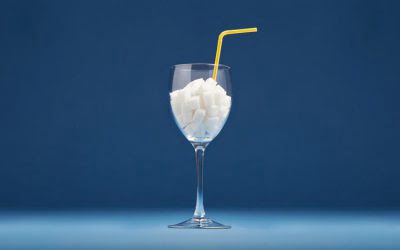
This condition can lead to severe health complications, including coma or death if left untreated. It’s critical to recognize the symptoms early and take immediate action. The effects of being drunk often show up in your physical appearance. You might notice your face becoming flushed or red as alcohol dilates your blood vessels. Your eyes can also be a tell-tale sign; they may appear red, watery, or glassy, and your eyelids might feel heavy or look droopy. Some people sweat more than usual, and their pupils might change in size, becoming either very small or large.
The goal of outpatient treatment is to provide therapy, education, and support in a flexible environment. Most programs help set up your aftercare once you complete the inpatient portion of your treatment. While you wait, make sure the intoxicated person remains upright and awake. In extreme cases, serious breathing issues can occur.8 Other dangers include a higher risk for injury from fights or accidents. If there are any concerns about content we have published, please reach out to us at
Understanding the influence of social settings on drinking behavior is crucial for promoting healthier drinking habits. The social environment plays a significant role in the experience of being drunk. Many people enjoy drinking in social settings, where the atmosphere can enhance feelings of happiness and reduce social anxiety.
It’s easy to underestimate the effects because they feel mild, but your brain and body are already being affected. We understand that drinking can quickly escalate from social fun to serious problems. By recognizing the signs and stages of drunkenness, you can better understand when drinking is becoming harmful to your health and relationships. Driving isn’t the only activity that can get you into legal trouble when you’re drunk. Generally, it is illegal to be drunk or high in public if you are unable to care for yourself or others, or if you are obstructing a public space.
 No products in the cart.