
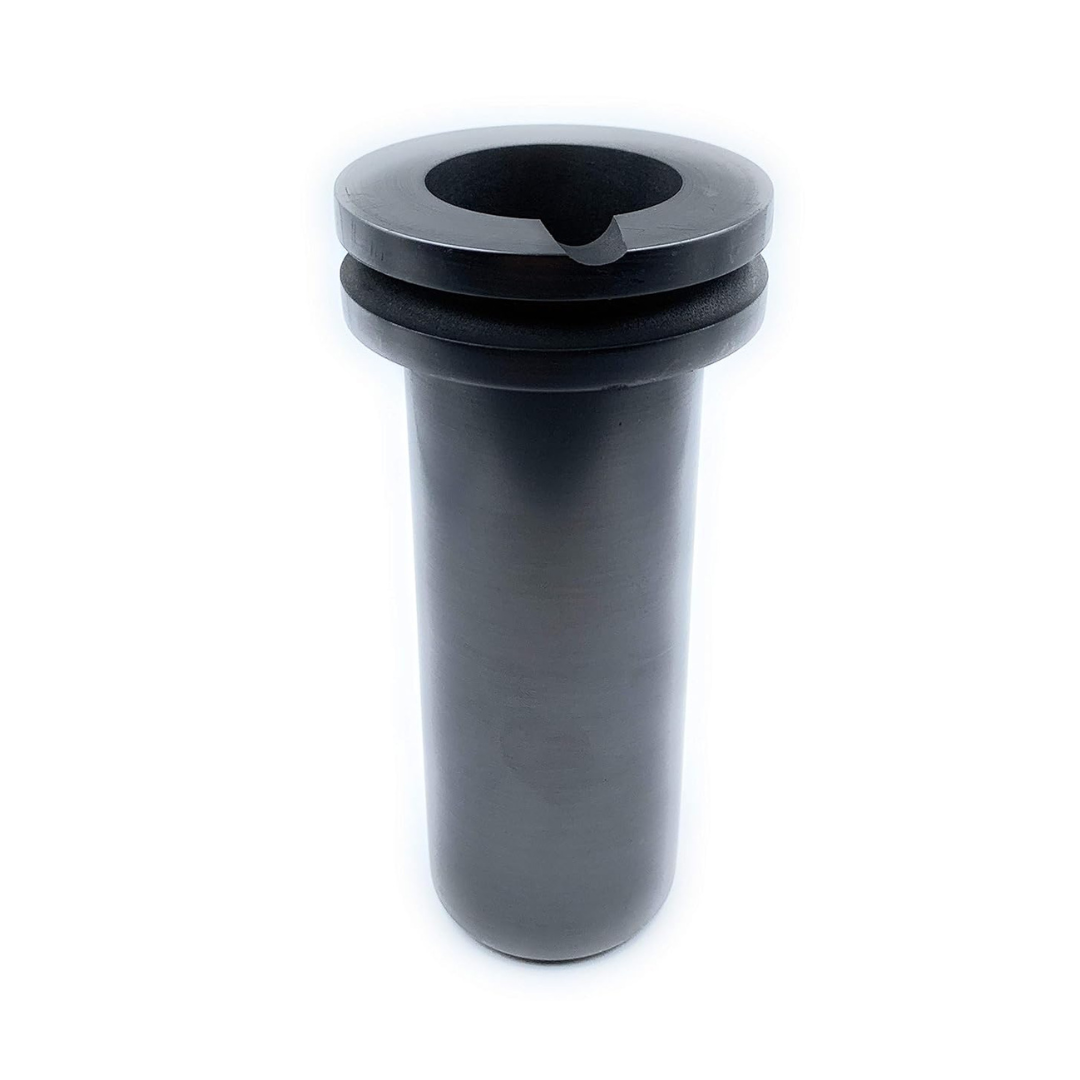
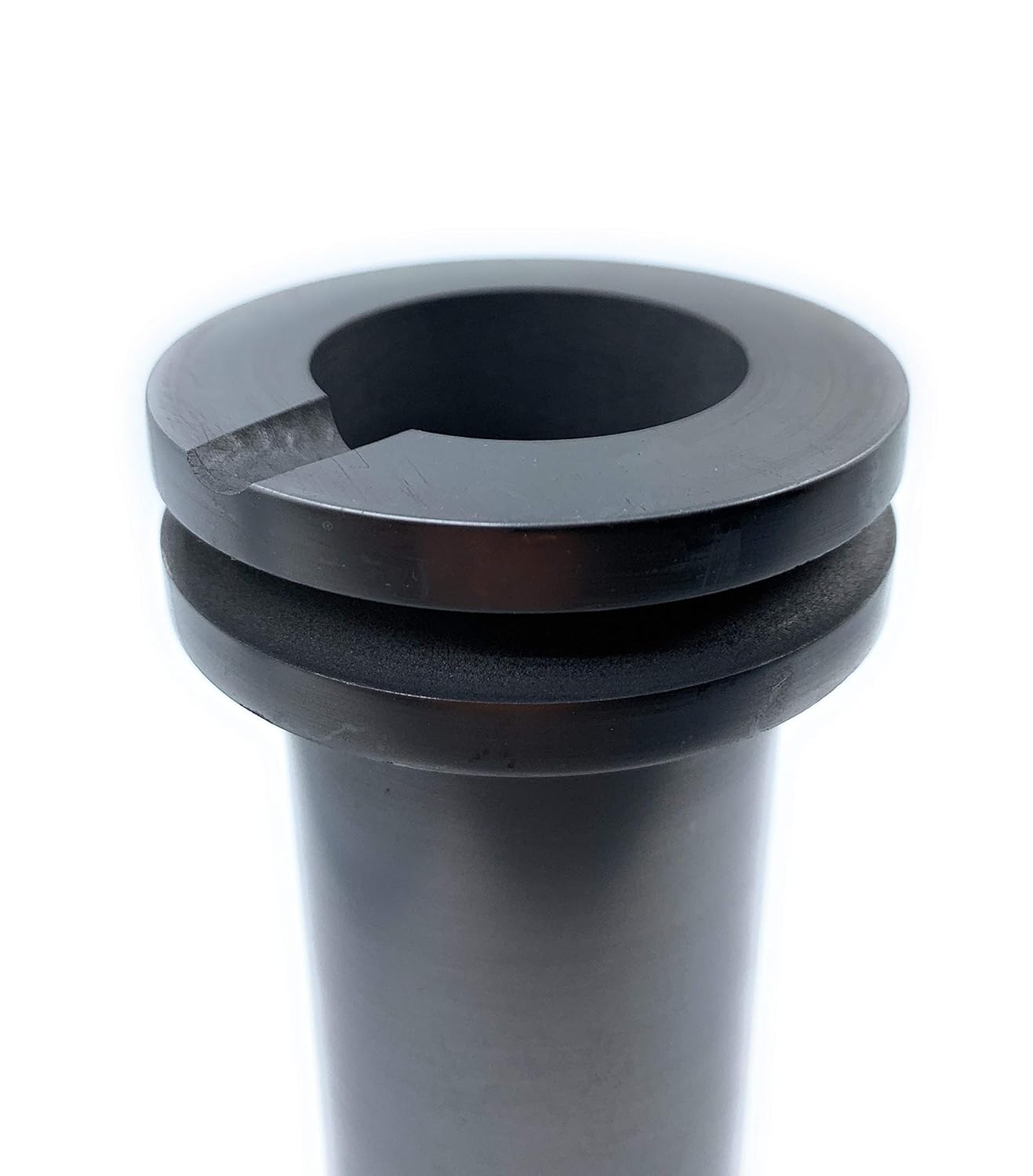
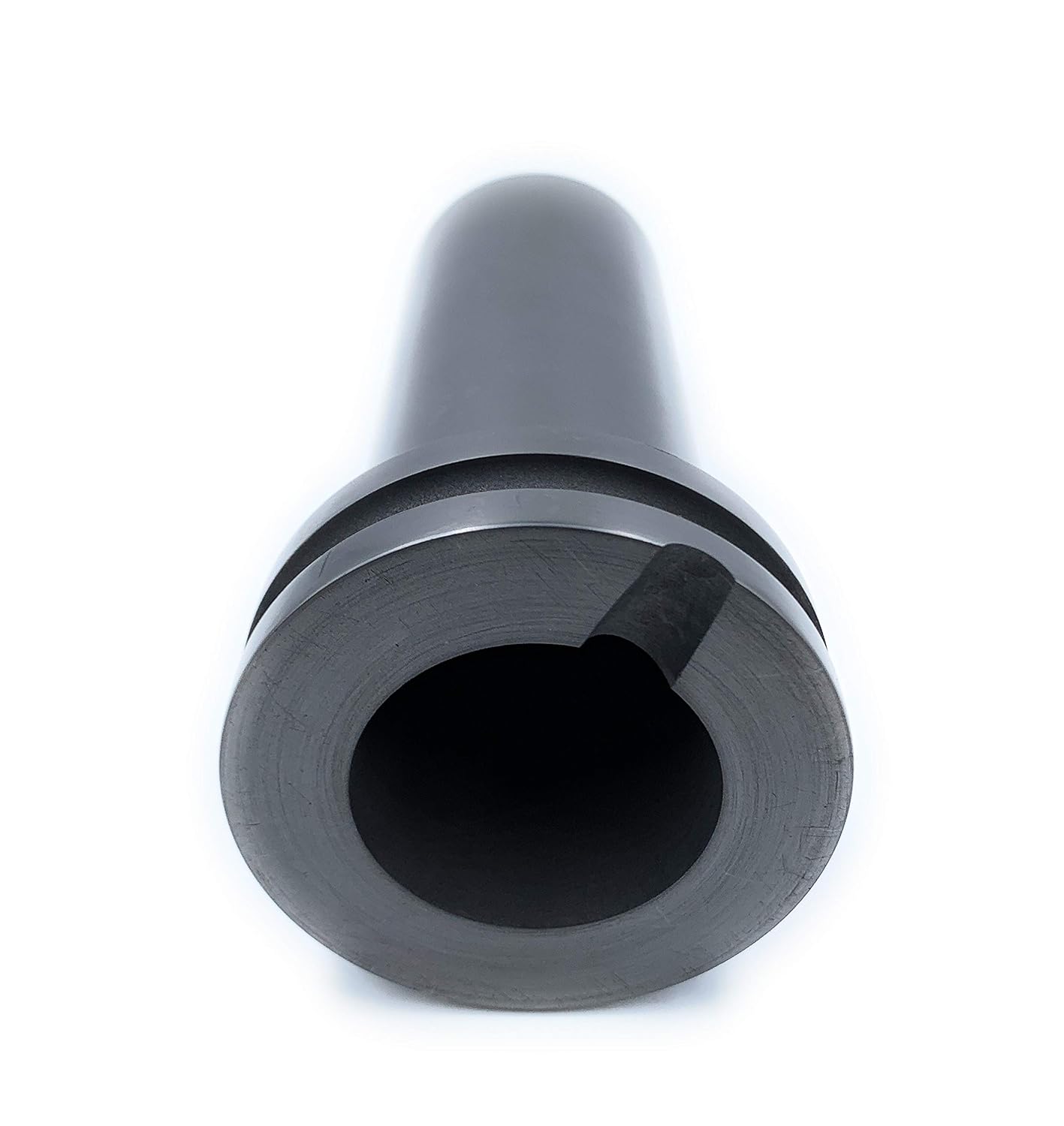
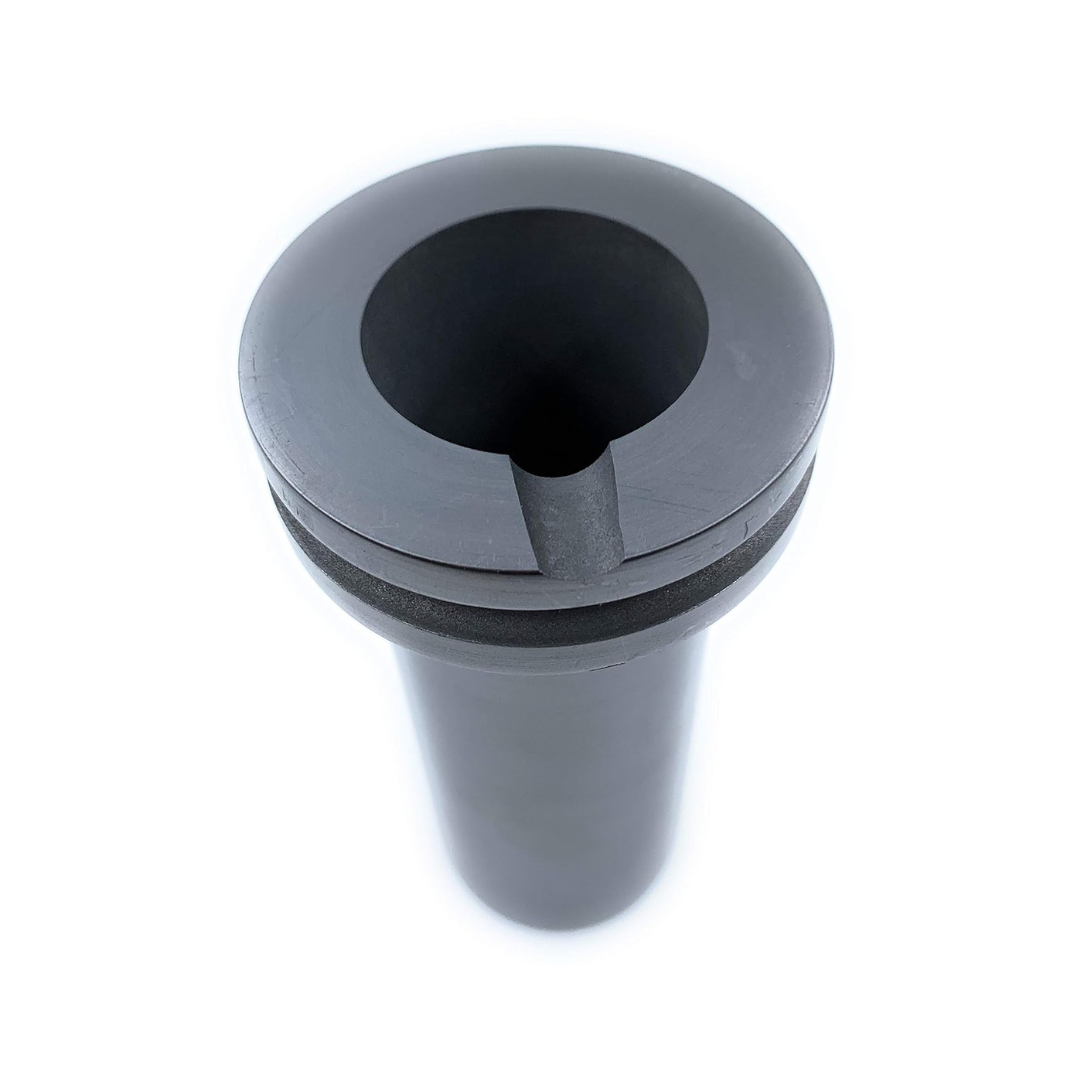
🔬 What Makes It “High-Purity”?
-
Made from graphite ≥99% carbon content, with advanced versions reaching 99.9–99.99% purity, as shown by CVD or isostatic-pressed manufacturing
-
Purity minimizes metal contamination, crucial when melting precious metals like gold, silver, platinum, or in semiconductor-grade processing
🔥 Key Benefits & Properties
-
Exceptional thermal stability and conductivity (typically 50–150 W/m·K, up to 400‑1500 W/m·K for pyrolytic graphite) supports fast, uniform heating and reduces energy use .
-
Thermal shock resistant, often tolerating ΔT >1000 °C without cracking .
-
Chemical neutrality—graphite doesn’t react with most molten metals; its non-wetting nature means easy pouring and cleanup .
-
High operating temperatures: stable up to ~2000–3000 °C in inert or vacuum environments; ~1800 °C open-air performance .
-
Strong mechanical durability: compressive strength ~55–75 MPa; bending strength ~30–40 MPa
-
🧪 Typical Uses
-
Jewelry & Precious Metals: Melting and alloying gold, silver, platinum; ideal for small bench-top furnaces in jewelry casting.
-
Lab & R&D: Sample preparation, alloy testing, sintering ceramics, and chemical reactions.
-
Semiconductor Research: Pyrolytic graphite variants support ultra-high purity processes like silicon crystal pulling 3.
-
Metallurgy & Casting: Suitable for non-ferrous metals, rare earth alloys, and specialty glass processing.
-
-

















 No products in the cart.
Reviews
There are no reviews yet.